
Artificial intelligence for medical devices
Artificial intelligence is used primarily in the fields of neurology, cardiology, oncology and ophthalmology. But examples of successful integration of AI in medicine can be found in various fields.
BAYOOMED has already successfully launched an AI-based app on the market with the MyIUS app. MyIUS helps users of an intrauterine device (IUS), among other things, to predict the bleeding profile. What you should know about the approval of AI-based medical software from a regulatory perspective? Here you will find an overview.
Successful applications
Medical experience and expertise are crucial for the qualitative diagnosis of diseases. Artificial intelligence – especially deep learning algorithms – helps to make automated diagnoses of diseases. This is a fast, reliable and inexpensive method from which not only patients benefit.
Developing new drugs is a costly and time-consuming process. However, various aspects of this process can be made more efficient with AI. These include:
- the identification of intervention targets
- the identification of biomarkers for the diagnosis of diseases
- the acceleration of clinical studies
Every patient is individual and reacts differently to medication and therapies. AI can help to identify factors influencing the choice of treatment and identify problems. A personalization that is in the interest and for the benefit of the patient.
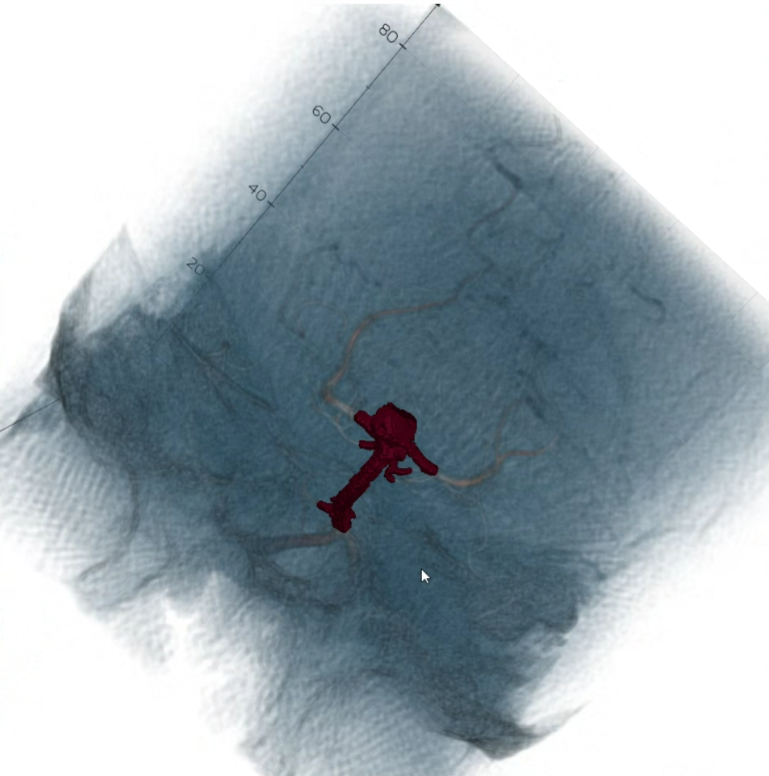
Aneurysms are pathological dilatations of blood vessels that often have a high geometric complexity. Current standard treatments are often inadequate as only uniform, non-fitting implants are available due to manufacturing limitations. With the launch of the #IndiPlant project, several institutions and companies are working on an innovative approach to the treatment of complex aneurysms. Customized implant geometries are developed on the basis of clinical image data using artificial intelligence and numerical simulation. The project is funded by the Federal Ministry of Education and Research in cooperation with the project sponsor VDI Technologiezentrum GmbH.
With our AI-powered first-level support, including our AI chatbot Mia, now officially live in multiple countries for over two months and handling more than 2500 requests, that often would have a support request, we have seen how conversational AI can already reduce workload and significantly improve user experience.
But first-level support is only the beginning.
Here are eight concrete and realistic ways AI chatbots can be used across MedTech, Pharma, Life Sciences, and Health Insurance based on real-world needs rather than buzzwords. Find out more in our blog.
We go beyond the pure application of artificial intelligence, because we understand the medical needs of patients and combine this knowledge with the possibilities of modern technology.
We develop intuitive user interfaces and interactive tools that enable doctors to seamlessly integrate AI-generated insights into their clinical practice. Furthermore, we place great emphasis on continuous research and development to constantly improve our AI algorithms and ensure that they are in line with the latest medical findings.