Empowering Women Through Research: Why Women’s Health Matters on International Women’s Day
March 8 stands worldwide for equality, progress, and the rights of women. International Women’s Day is a moment to celebrate the milestones that have been achieved while also highlighting where further action is still needed.
One issue that still receives far too little attention globally is women’s health. Although many countries now speak more openly about topics such as menstruation and reproductive health, this openness is far from universal.
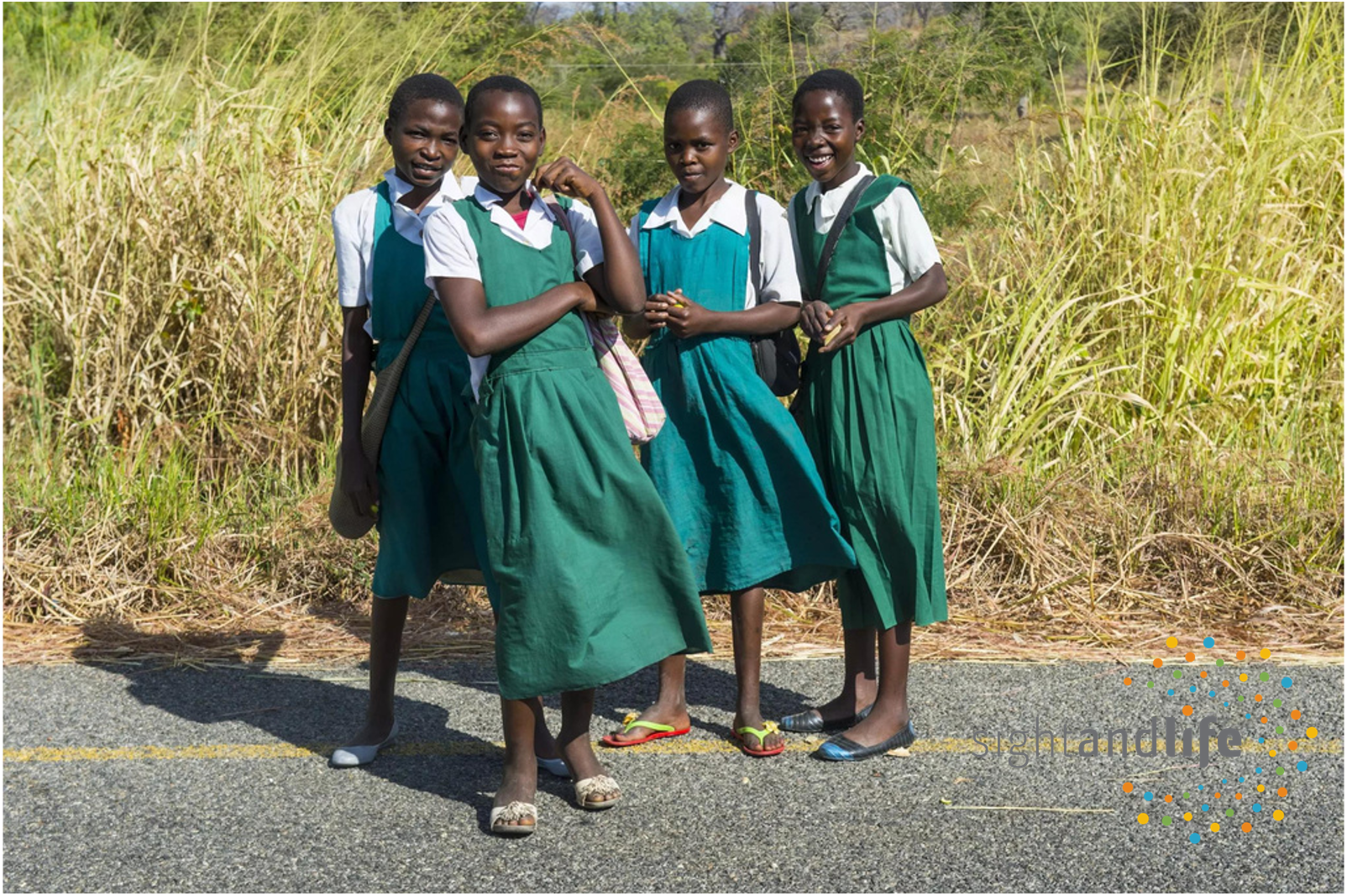
Looking beyond our own daily lives reveals how different the situation can be worldwide. While in Europe medical care and health education are often readily accessible and considered standard, girls and young women in other parts of the world face very different challenges.
When Menstruation Is Still a Taboo
In many regions of the world, menstruation remains a sensitive or even a taboo topic. In some places, myths and misconceptions surrounding menstruation are still widespread.
A lack of education about menstruation and reproductive health can cause girls to experience their first period with uncertainty or shame. At the same time, basic information about what happens in the body during the menstrual cycle is often missing in certain regions. This situation can significantly impact everyday life. Some girls miss school during menstruation – often due to pain, lack of hygiene products, or feelings of embarrassment.
This is precisely why education about women’s health is so important worldwide. Understanding one’s own body strengthens confidence, self-determination, and, in the long term, the overall health situation of girls and women.
Research on Women’s Health: A Study in Malawi
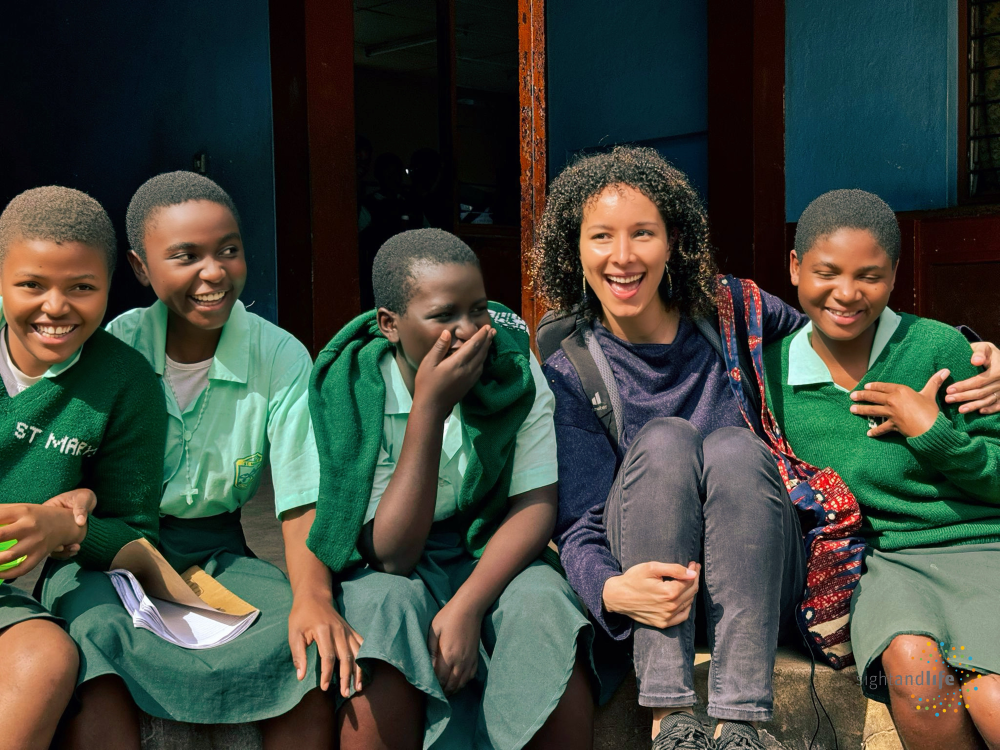
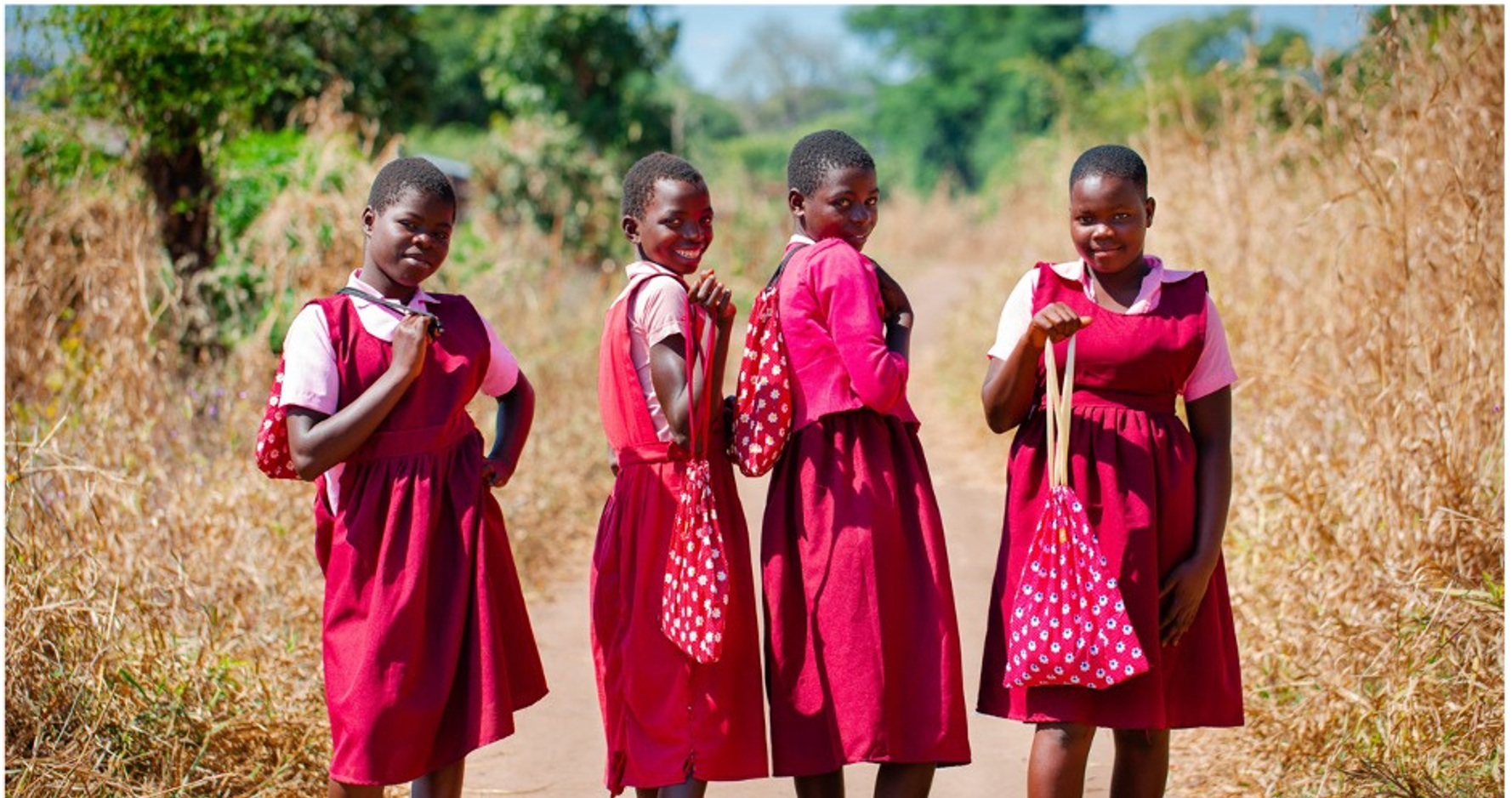
To better understand these challenges, a study was conducted in Malawi focusing on menstruation among girls and young women, with 300 participants taking part.
Before the actual data collection could begin, around nine months of preparation on site were necessary. Recruitment started in January 2025, and the entire data collection phase lasted until October of the same year.
A central component of the study was the FlowMalawi app, developed by BAYOOMED in collaboration with the non-profit, Sight and Life. Through this app, participants were able to record daily information about medication intake, menstrual blood quantity via pictogram selection, menstrual pain, potential school absences, and the relationship between menstrual symptoms and school attendance. Additional questionnaires collected information about the intensity of menstrual bleeding. Digital solutions like this enable structured health data to be gathered over longer periods while actively involving study participants.
At the same time, the project highlighted the importance of being flexible and adapting to the local context and finding smart and innovative solutions.
In some schools, the use of smartphones was not allowed. To ensure participants could still document their information, the study team developed a paper-based version of the questionnaires. During the study, the smartphones were stored in locked rooms at the schools and were only accessible to the study team. At the end of the study, the participants were allowed to keep the phones – a small gesture that brought great joy to many of the girls.
In addition, blood samples were collected to investigate possible connections between menstrual blood loss volume and health factors such as low iron stores and anemia. The samples were sent to the Netherlands in November 2025 and are currently being analyzed. The first results of the study are expected in May 2026.
Education as a Key to Women’s Health
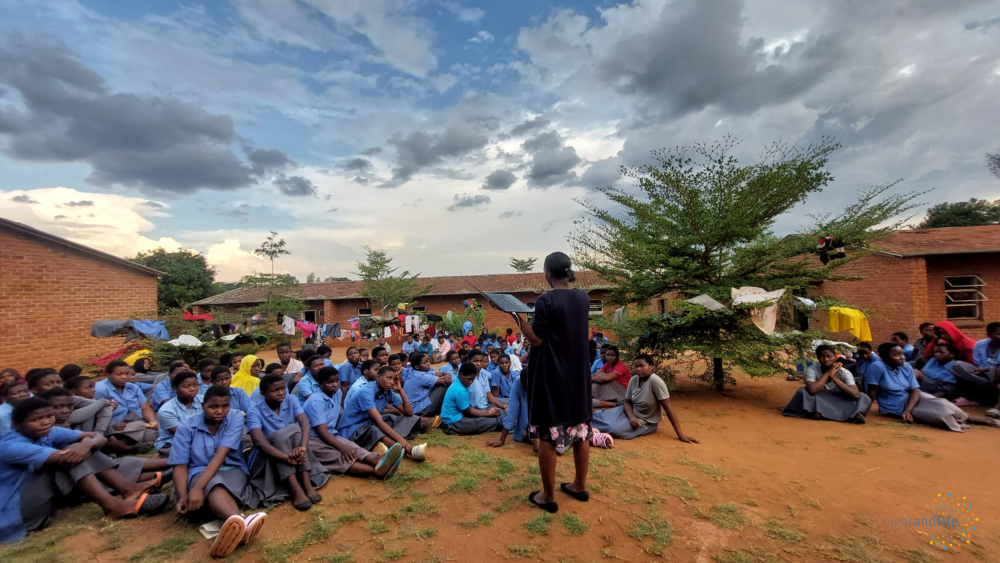
Alongside data collection, education about menstruation and health also played an important role.
Participants received educational materials on topics such as the menstrual cycle, female anatomy, and the connection between menstruation and anemia. The goal was to provide basic knowledge and address widespread myths.
For example, there is a myth that sanitary pads can “widen” the vagina. In reality, this is a misconception: sanitary pads are external products and have no influence on the internal anatomy of the body.
Information like this helps reduce uncertainty and gives girls and women a better understanding of their own health.
Working Together for Improved Women’s Health Worldwide
Menstruation is a natural part of life for billions of women and girls. Nevertheless, women’s health still does not receive the global attention it deserves. International Women’s Day reminds us how important research, education, and collaboration are for improving women’s health in the long term.
At BAYOOMED, we support clinical research with the goal of better understanding medical questions and enabling new insights. Projects like this study in Malawi demonstrate how important international collaboration is for expanding knowledge and improving women’s healthcare worldwide in the long run.
Real progress happens where research, education, and commitment come together.